Roofing health matters in the Tri-Cities, where hailstorms, high winds, scorching summer heat, and heavy rain put constant stress on your home. Here, your roof often endures more wear than the national average, so small problems can escalate quickly if they go unnoticed. The signs that a roof is failing are not always dramatic, but they are always important.
Understanding what those warning signs look like, which materials hold up here, how a replacement typically runs, and why choosing experienced professionals protects your home and budget.
Common Signs Your Roof Is Failing
Your roof is one of your home’s most critical systems. It protects everything underneath it, from insulation and framing to drywall and electrical components. Small issues rarely stay small for long.
Inside Your Home
Some of the most serious warning signs appear indoors, once water has already found a path inside.
- Water stains on ceilings or walls: Yellow, brown, or gray stains, especially on upper floors, often point to active roof leaks that worsen after heavy rain.
- Damp or musty odors: Persistent musty smells in attics or upper rooms can indicate trapped moisture, which can lead to mold growth and wood rot.
- Sagging ceilings: Any drooping or bowing is a red flag for water saturation and possible structural damage that needs immediate professional attention.
- Exterior light showing in the attic: If sunlight is visible through the roof decking, water and pests have a direct entry point.
On the Roof Itself
Visual checks from the ground or a ladder can reveal roof damage after severe weather.
- Missing or cracked shingles: Storms frequently dislodge or fracture shingles, leaving the underlayment exposed.
- Curling or buckling shingles: These signs usually indicate aging materials or poor ventilation, both of which reduce water resistance.
- Granules in gutters: Asphalt shingles rely on granules for UV protection. Excess granules in gutters signal advanced wear.
The Flashing and Vents
Many leaks start where materials meet.
- Damaged flashing: Rusted, bent, or loose flashing around chimneys, vents, skylights, and valleys is a common leak source.
- Worn sealant or pipe boots: Cracked rubber seals around vent pipes allow water to seep into the roof system.
According to the National Roofing Contractors Association, “roofs should be inspected at least twice a year to catch these issues early.” (Source: National Roofing Contractors Association Roofing Guidelines).
Roof Inspection and Maintenance Tips for Homeowners
Inspecting your roof at least twice a year, ideally in spring and fall, helps catch damage before it turns into leaks or structural problems. It is also smart to check after major storms involving hail, high winds, or heavy rain. Many homeowners start with a ground-level inspection using binoculars to spot obvious issues, but a professional roofing inspection is the only way to fully assess flashing, sealants, ventilation, and hidden moisture risks. Consistent maintenance protects roofing materials, extends roof lifespan, and reduces the chances of emergency damage during extreme weather.
Below are essential inspection points homeowners should pay close attention to when monitoring roof condition:
| Location | What to Look For | Significance |
| Shingles and Tiles | Missing, cracked, curled, buckling, or loose pieces; blistering | Compromised protection that can lead to water leaks and wind damage |
| Flashing | Rusting, cracks, gaps around chimneys, vents, and skylights | Flashing seals vulnerable areas; damage here is a common source of leaks |
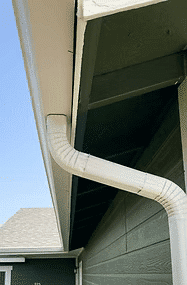
| Gutters and Downspouts | Sagging, cracks, blockages, excess shingle granules | Blockages cause water pooling and fascia damage; granules signal shingle deterioration |
| Soffits and Fascia | Peeling paint, rot, holes, pest entry points | These protect rafters; damage often points to ventilation or moisture problems |
| Vents and Pipe Boots | Cracked rubber seals, damaged or clogged vents | Seals are frequent leak points; clogged vents trap attic heat and moisture |
| Chimney | Deteriorated mortar, damaged cap, white efflorescence | Chimney leaks can cause extensive interior and structural damage |
Safety note: Avoid walking on your roof if it is steep, wet, icy, or unfamiliar. Improper footing is a major cause of homeowner injuries. When in doubt, call a professional with proper safety equipment and training.
Fast, Reliable Roof Replacement Built for Northwest Weather
BN Covered Exteriors brings years of hands-on roofing experience and advanced inspection methods to every project. Our team designs solutions tailored to roof type, building structure, and local weather exposure, whether that means a full replacement or long-term maintenance planning. Our comprehensive roofing systems and professional inspections help extend roof life, improve performance, and reduce unexpected costs.
To schedule a professional inspection or discuss replacement options, call us at (509) 371-9700 or book a consultation.
FAQs
How often should I have my roof inspected?
Most roofs should be inspected twice a year and after major storms to catch damage early.
Are small roof leaks really a big problem?
Yes. Even minor leaks can lead to mold growth, wood rot, and structural damage if ignored.
Do missing shingles always mean a full replacement?
Not always. A professional inspection shows whether the rest of the system still has life left or the roof is due for replacement.
Is storm damage covered by insurance?
Storm-related damage is commonly covered, but documentation from a professional inspection is essential.


 Warranties