After a big storm, the safest move is to stay on the ground, look for obvious signs of storm damage to your roof, and schedule a professional inspection before you do anything else. Wind can lift and tear shingles, hail can bruise them and knock off the protective granules, and flying debris can puncture the surface. A lot of the worst damage hides where you can’t see it from the driveway. In the Tri-Cities, strong Columbia Basin wind events are the usual culprit, and even a roof that looks fine from the yard can be leaking by the next rain.
What Kinds of Storm Damage Actually Happen to a Roof?
Not all storm damage looks the same, and not all of it is obvious. The three big threats to roofs in our area are wind, hail, and flying debris.
Wind is the most common. The National Weather Service notes that once winds reach the 40 to 50 mph range, isolated damage starts to show up, and stronger gusts can cause widespread problems. Wind lifts the edges of shingles, breaks their seal, and peels them back or tears them off entirely. Hail bruises shingles and knocks loose the granules that shield them from the sun, which quietly shortens the roof’s life. Debris, from tree limbs to a neighbor’s lawn furniture, can crack or puncture the surface on impact.
Water is the follow-up act. Once wind or hail compromises the surface, rain works its way under the shingles and into the decking, the attic, and eventually your ceilings.
Our local weather adds its own twist. The Tri-Cities sits in a high desert basin where sudden wind events can kick up fast, and the same intense sun that bakes roofs all summer leaves shingles brittle and easier to crack when hail or debris hits. A roof that was already sun-worn going into storm season takes damage more easily than a newer one, which is why older roofs so often need replacement rather than a patch after a rough storm.
How to Spot Hidden Storm Damage Safely
Most storm damage hides where you can’t see it from the driveway, but you can still gather useful clues without climbing a ladder. Walk the perimeter of your home and look up, then check your attic and gutters.
From the ground, look for shingles on the lawn, bare or shiny patches on the roof, bent or dented gutters and downspouts, and granules washed out near the base of downspouts. In the attic, look for water stains, damp insulation, or daylight. One safety note we can’t stress enough: never climb onto a roof after a storm, especially when it’s wet. Leave the up-close inspection to a pro with the right footing and fall protection.
Wind damage is exactly the kind of problem that sends Tri-Cities homeowners scrambling. One strong system rolls through, and suddenly shingles are scattered across the yard and the gutters are hanging loose.
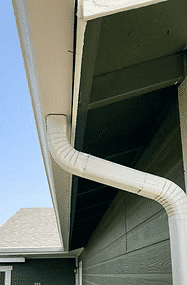
That’s the situation Jared Williams faced. After a wind event, he needed more than a patch. In his review, he summed up the project simply: he “had whole roof replaced as well as gutters installed due to wind damage.” Our crew inspected the full system, documented the damage, and laid out what actually needed to be done.
Jared praised the team’s communication, speed, and quality from start to finish. Replacing the roof and gutters together meant his home was fully protected before the next storm, instead of limping along on repairs that wouldn’t hold.
What to Do Next After Storm Damage
If you suspect your roof took a hit, here’s the order of operations we recommend:
1. Stay safe and stay off the roof. Watch for downed power lines and broken branches.
2. Document everything. Take clear photos from the ground and of any interior leaks or stains.
3. Contain interior damage. Put down buckets, move valuables, and lay towels to limit water spread.
4. Call a licensed roofer for a professional inspection before you commit to anything.
5. Contact your insurer and review your policy so you understand your coverage and deadlines.
On the insurance side, the Insurance Information Institute has a clear walkthrough of how to file a homeowners claim, including documenting the loss and making temporary repairs to prevent further damage. Keep your receipts and photos. A reputable roofer will give you a detailed inspection report and estimate that you can hand to your adjuster.
When Storm Damage Means Replacement, Not Just a Patch
Sometimes a few shingles is all it takes, and a targeted fix is the right answer. But when wind has stripped large sections, hail has beaten up the whole surface, or an older roof was already near the end, a full replacement is the move that actually protects your home. Patching a roof that’s failing in several places just delays the inevitable and risks more water damage inside.
Age matters here too. If your roof was already 15 or 20 years old before the storm, an insurance adjuster may factor that in, and pouring money into repairs on a roof near the end rarely pays off. A licensed roofer can document the storm damage clearly and help you understand your options, from a covered repair to a partial or full replacement, so you can make the call with real information instead of guesswork.
Before you hire anyone for storm work, confirm they’re properly licensed and insured. In Washington, the Department of Labor and Industries lets you verify a contractor before you sign. We’re a family-owned company here in the Tri-Cities, and we handle full roofing and gutter replacements so your home’s water management works as one system.
If a storm just rolled through and you’re not sure how your roof held up, get in touch with our team for a straightforward inspection. We serve homeowners throughout the Tri-Cities, we’ll tell you honestly whether you need a repair or a replacement, and we’ll document what we find so you have what you need for your insurer.
Frequently Asked Questions
How soon should I get my roof inspected after a storm?
As soon as it’s safe, ideally within a few days. Catching damage early prevents leaks from spreading and keeps you ahead of any insurance filing deadlines.
Does homeowners insurance cover storm damage to a roof?
Many policies cover sudden storm damage from wind and hail, though coverage and deductibles vary. Review your policy and call your insurer to confirm what applies to your situation.
Can I see hail or wind damage from the ground?
Sometimes. Look for shingles in the yard, dented gutters, and granules near downspouts, but much of the damage is only visible up close, which is why a professional inspection matters.
What should I do if my roof leaks during a storm?
Contain the water inside with buckets and move valuables, then call a roofer once the storm passes. Stay off the roof while it’s wet.
Should I get an inspection even if I don’t see any damage?
Yes. Wind and hail damage is often hidden, and an inspection after a major storm can catch small problems before they turn into expensive interior repairs.


 Warranties